Our History
Since 1976, we’ve helped thousands of women and children escape family and domestic violence.
How It Started
Marrickville Women’s Refuge
1976–1997
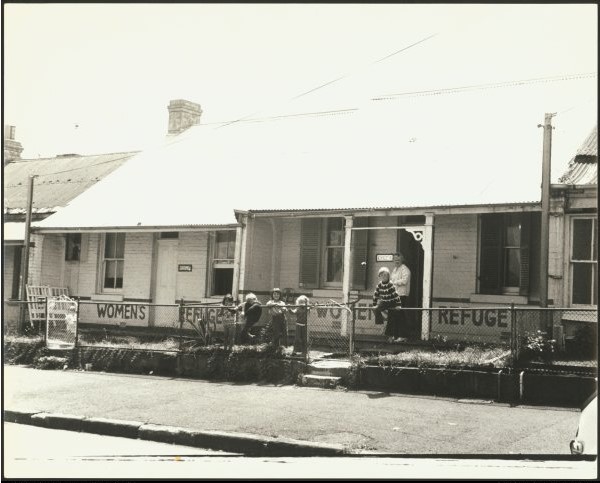
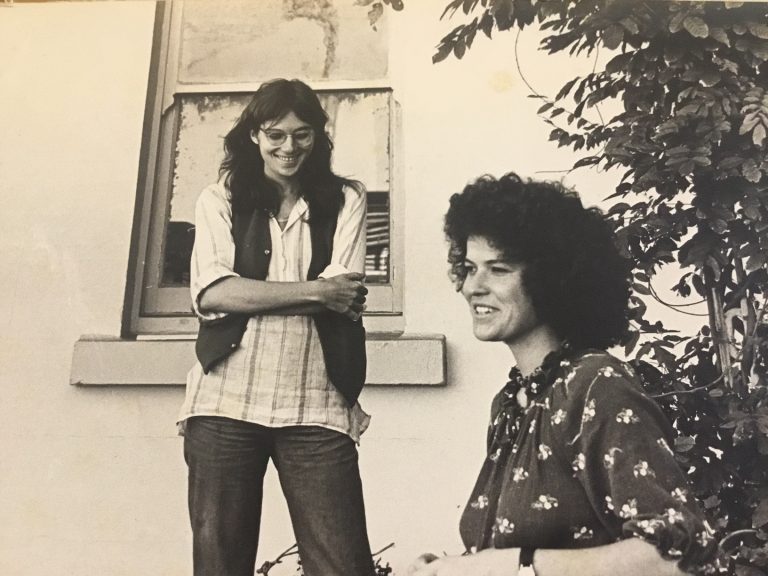
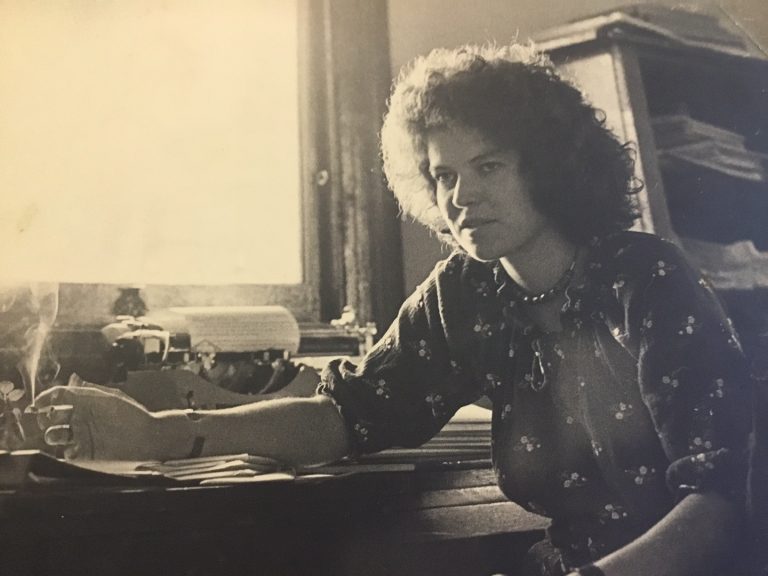
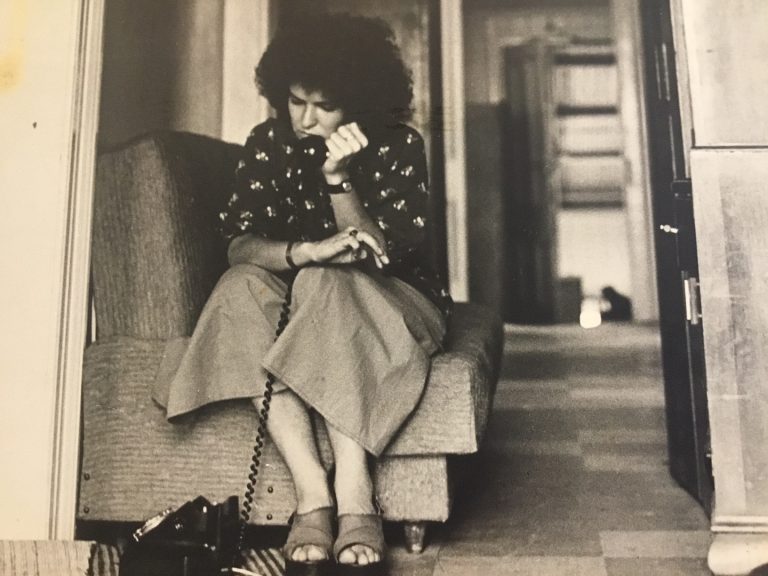
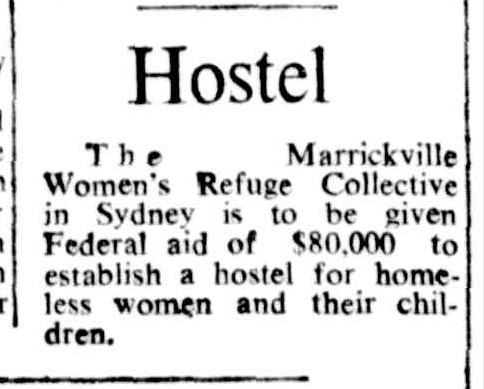
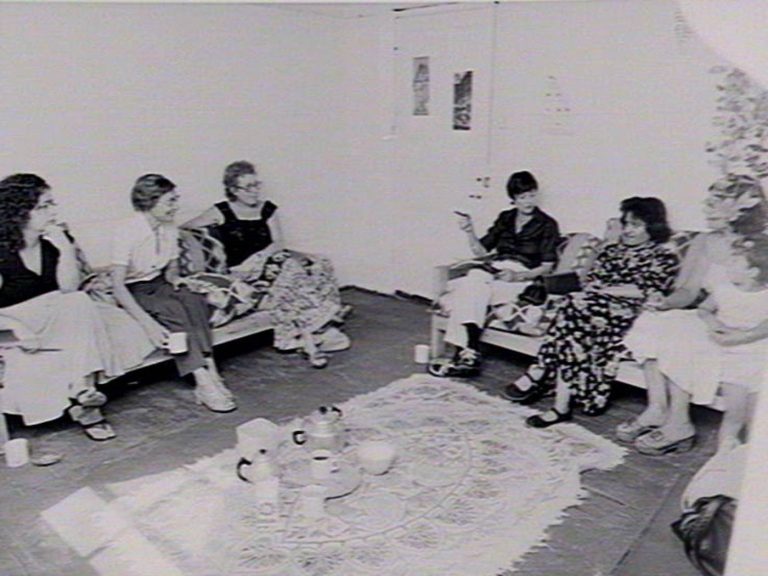
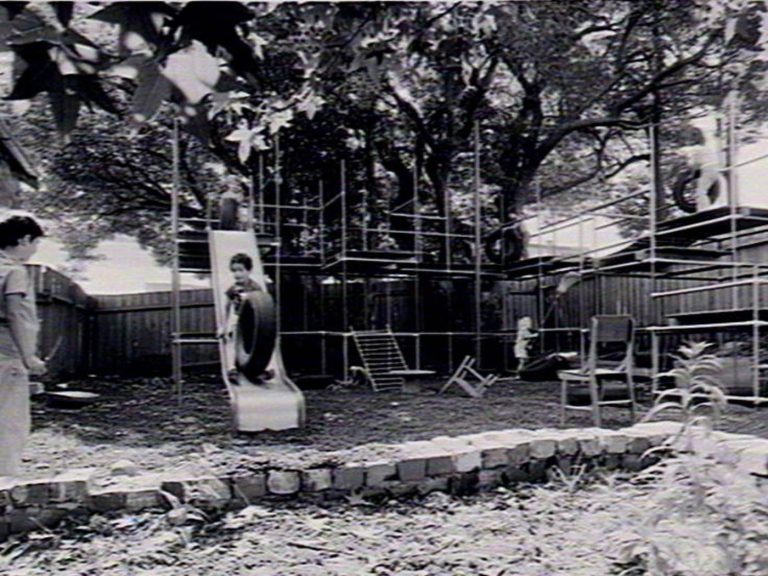
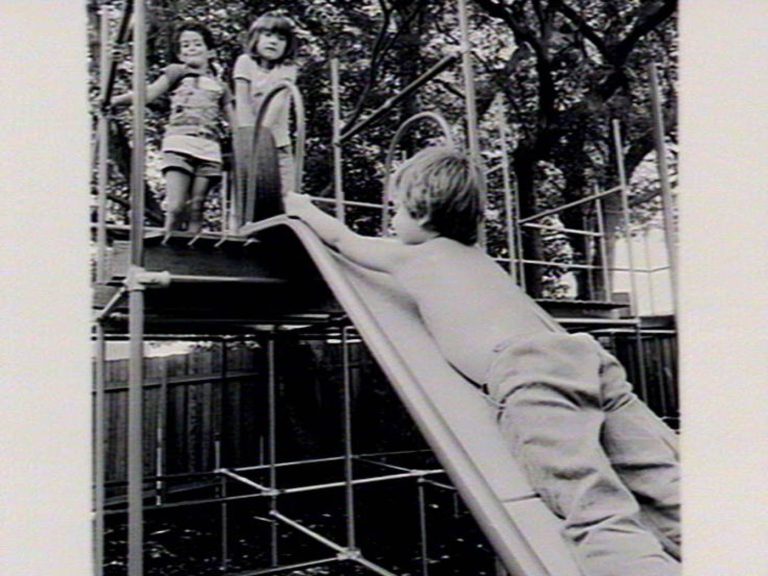
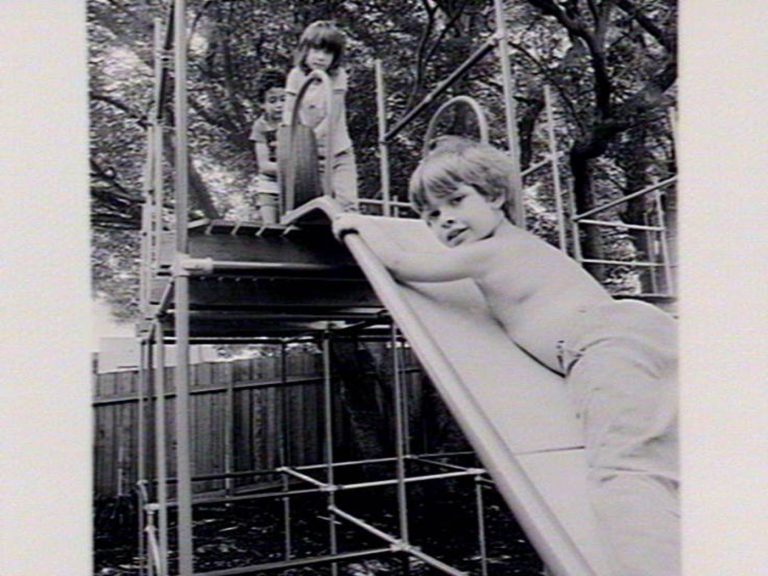
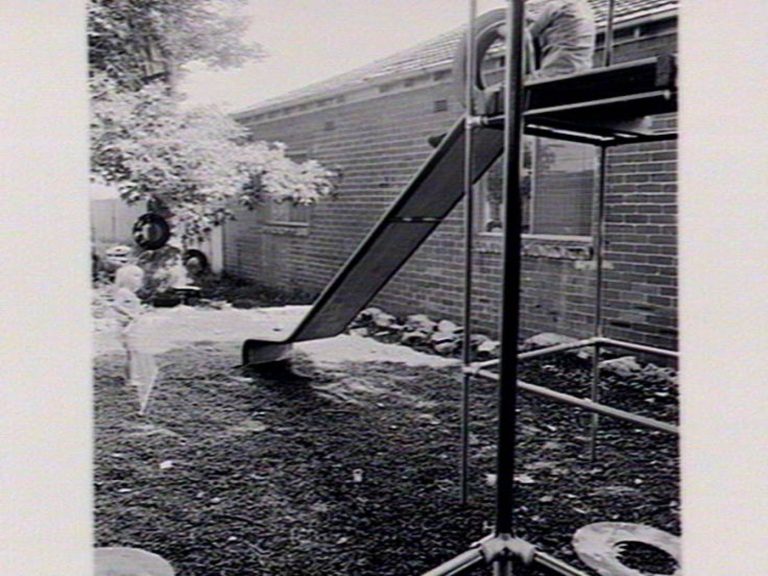
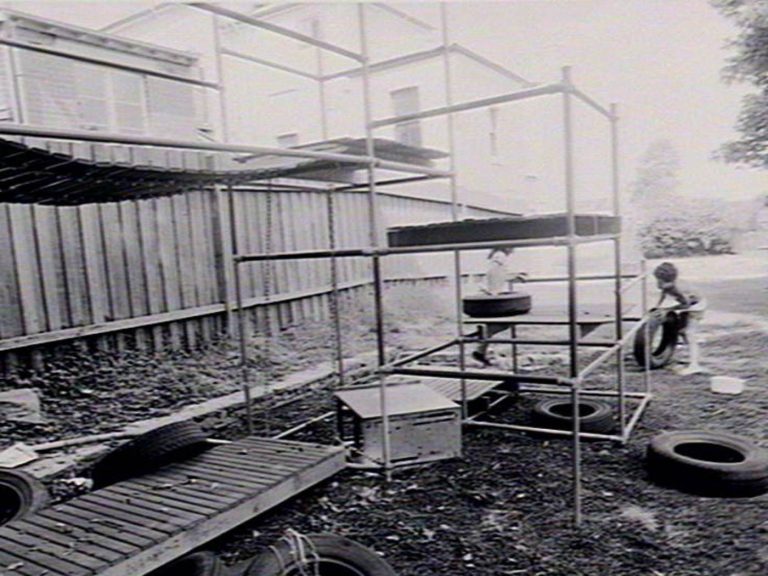
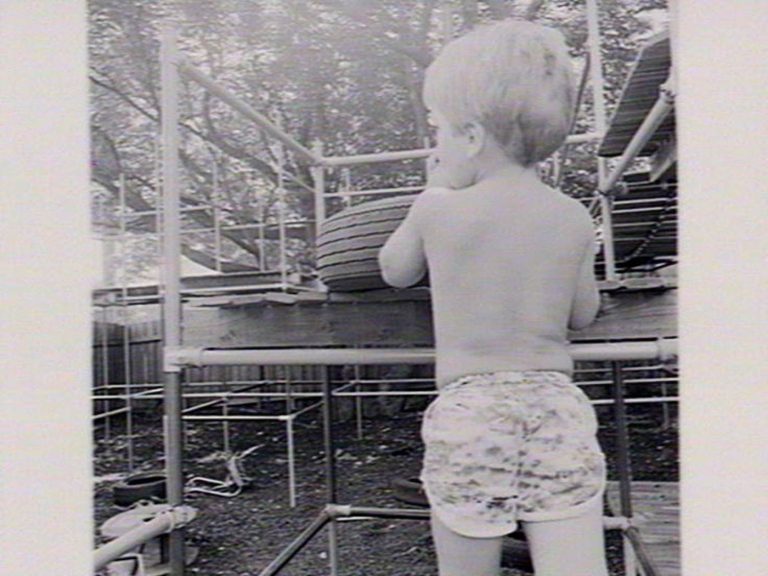
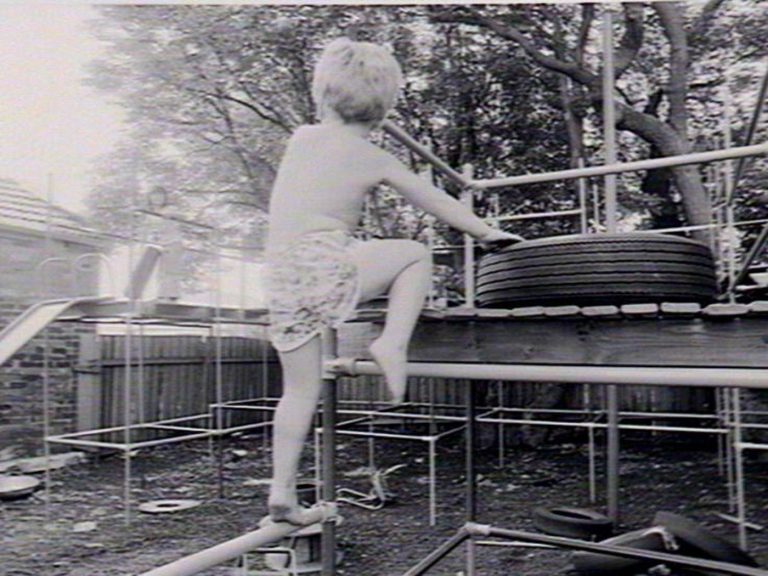
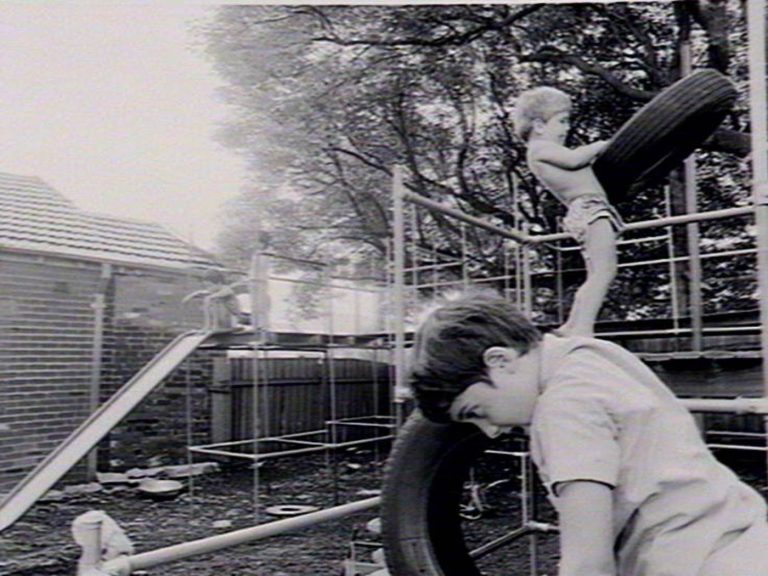
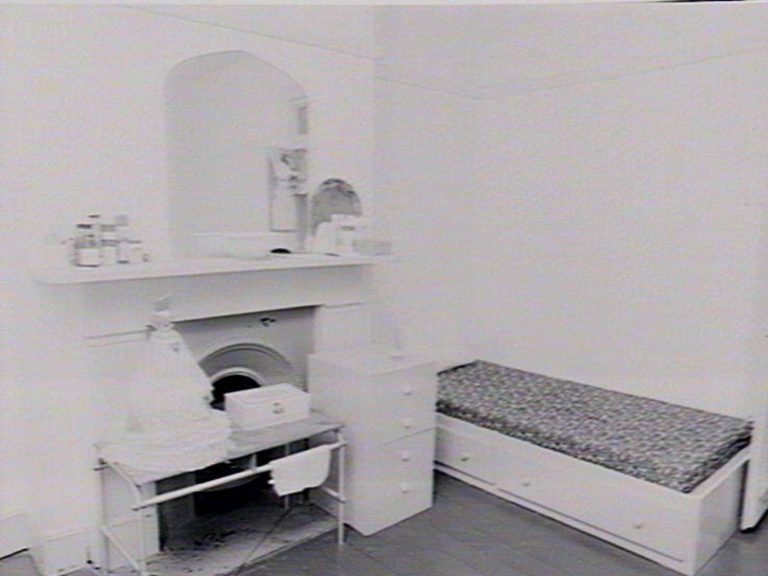
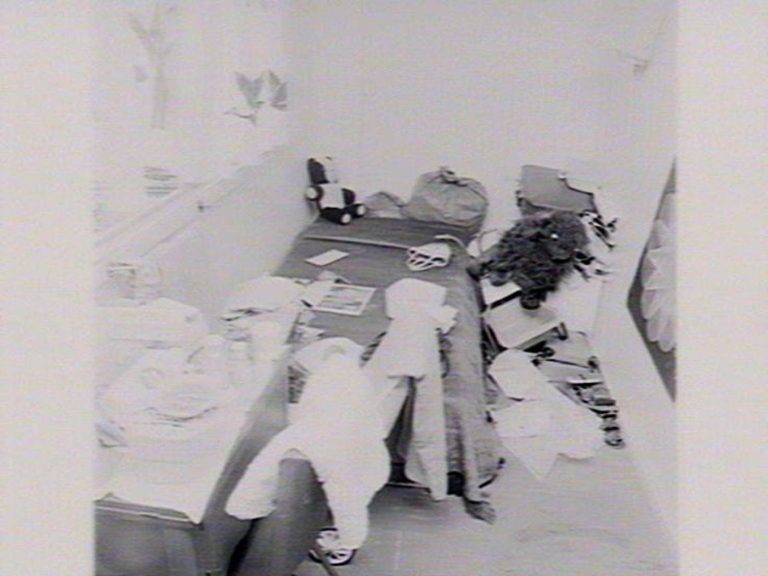
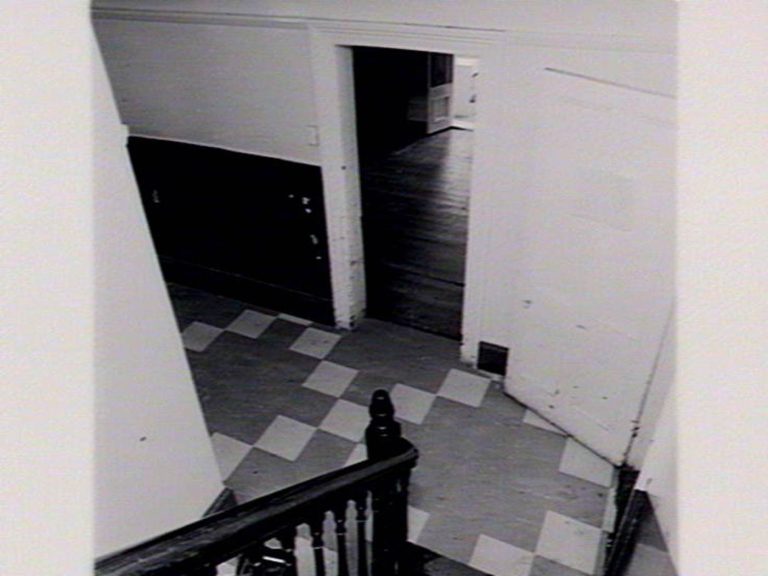
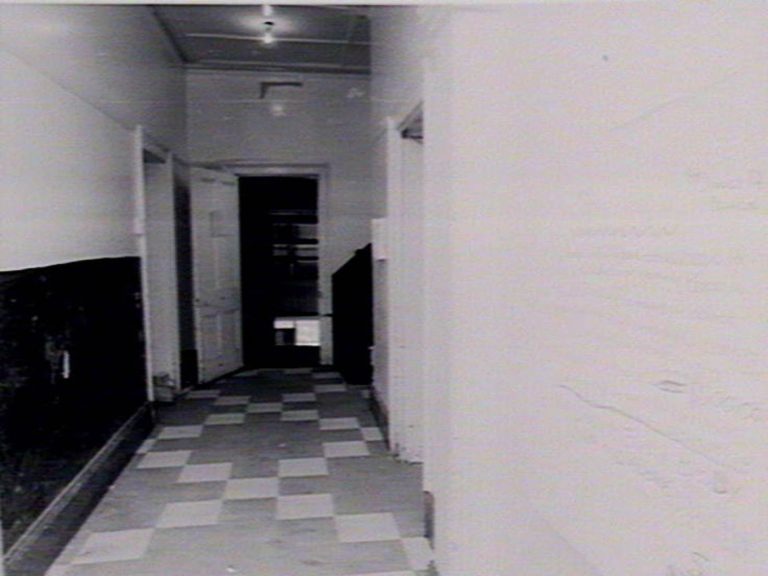
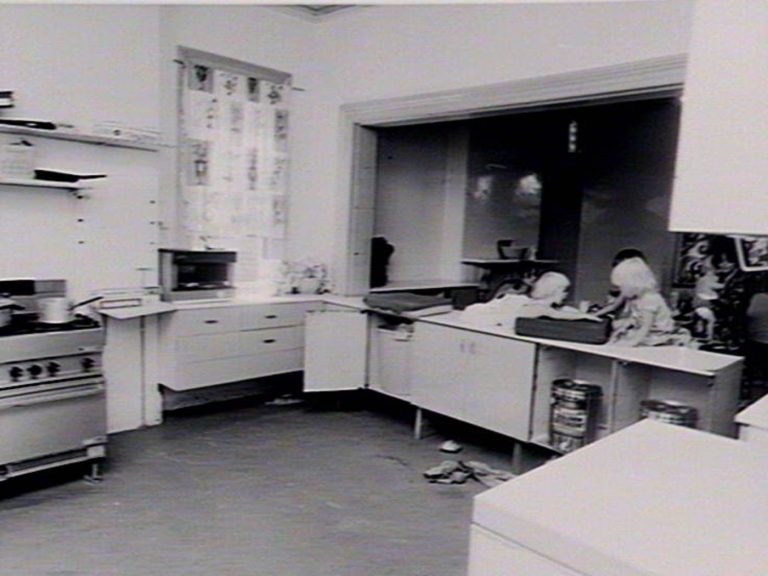
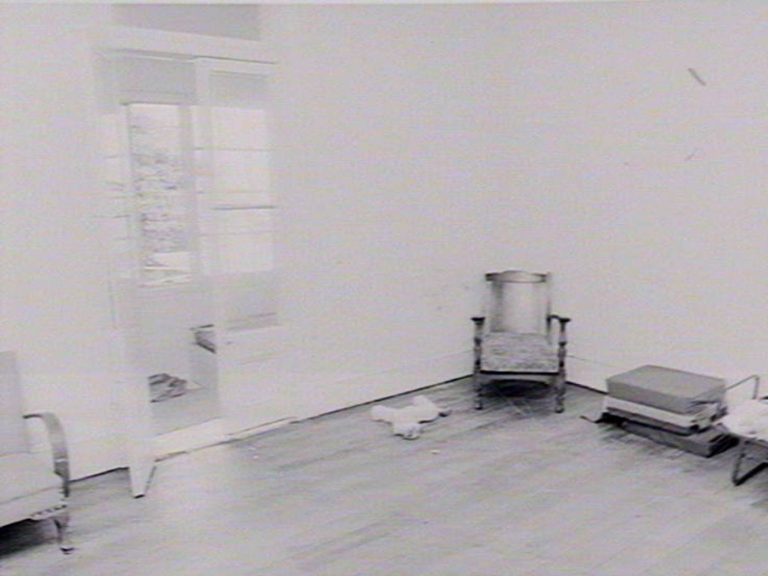
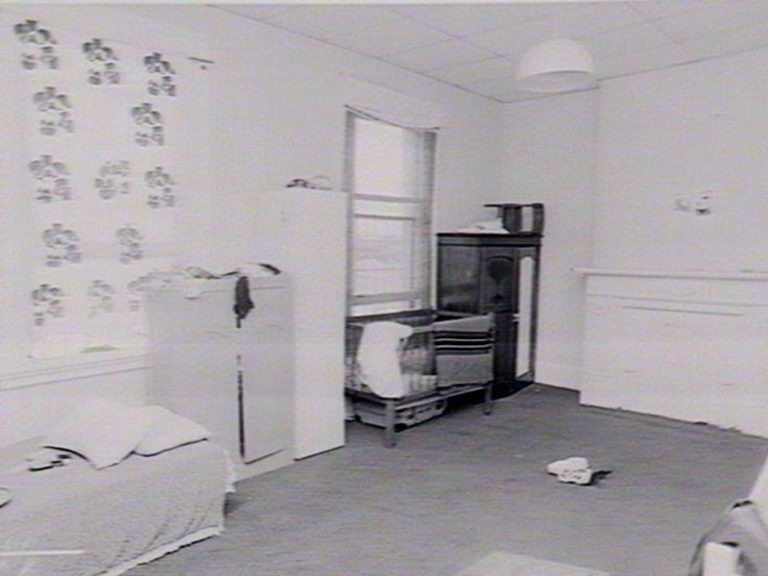
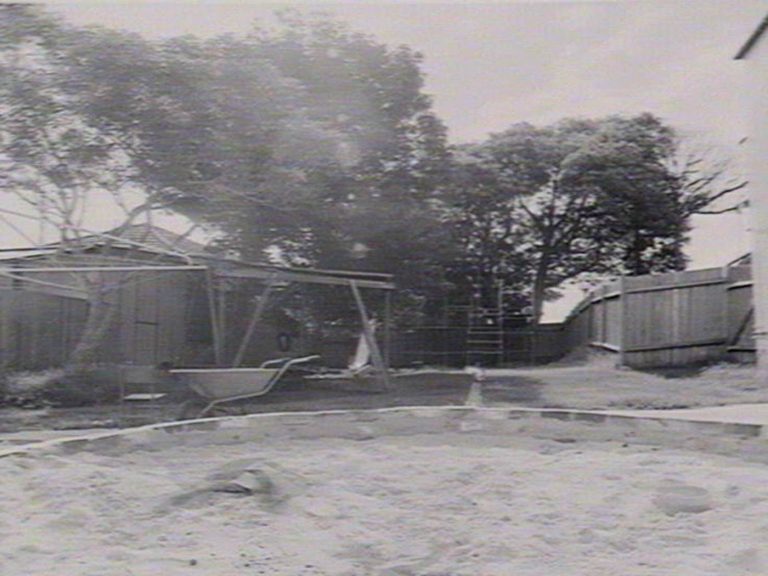
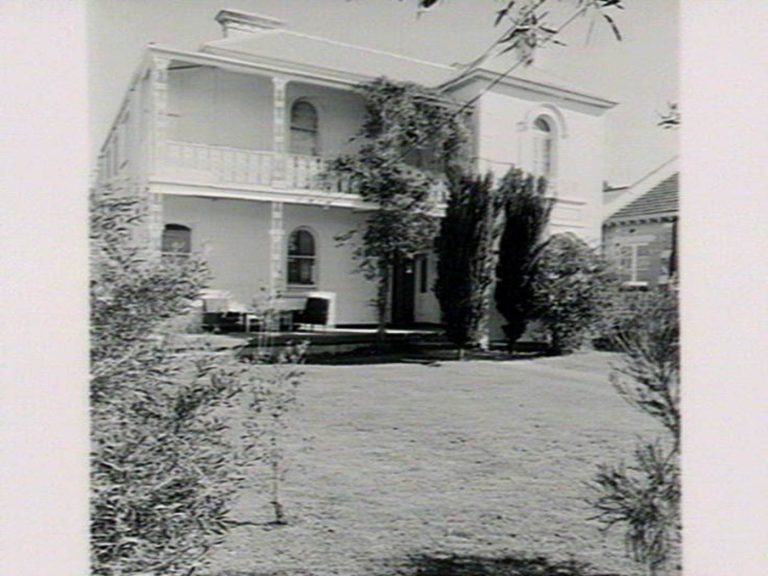
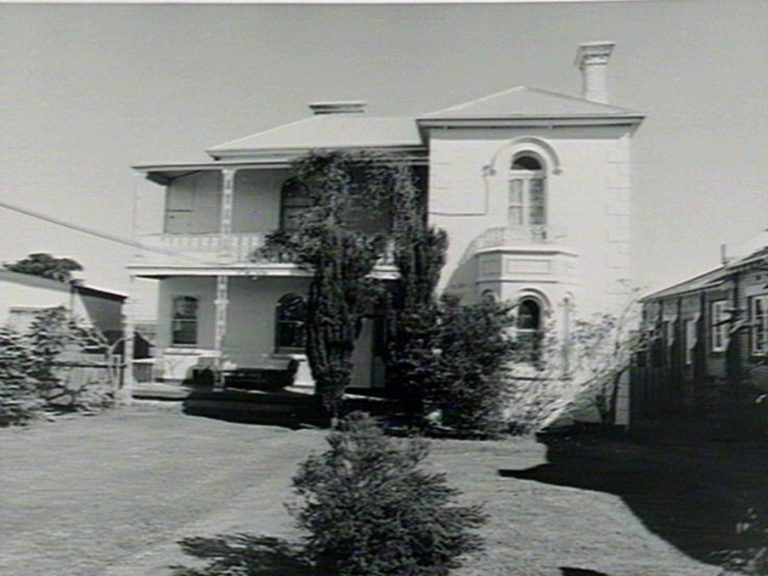
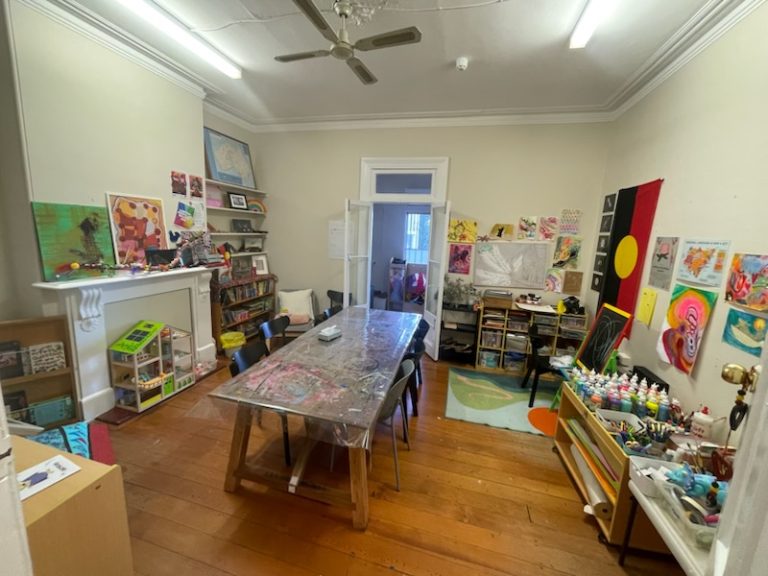
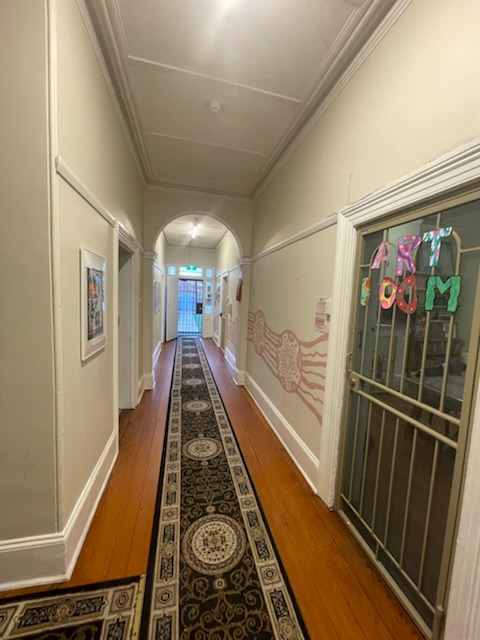
Marrickville Women’s Refuge first opened its doors to women and their children escaping domestic and family violence in April 1976. It was one of the first refuges to be established in Australia and remains the only one to own its own large premises. Purchased in December 1975 with funds from South-West Sydney Regional Social Development Council, a pilot project of the Australian Assistance Plan, the house has played a key role in the history of the refuge. The value of ownership of the premises in securing the independence of the Refuge was foreseen by the founding collective, a diverse group of feminists that included community workers, artists and local residents as well as the university students who had first approached the Whitlam Government for funding in January 1974.
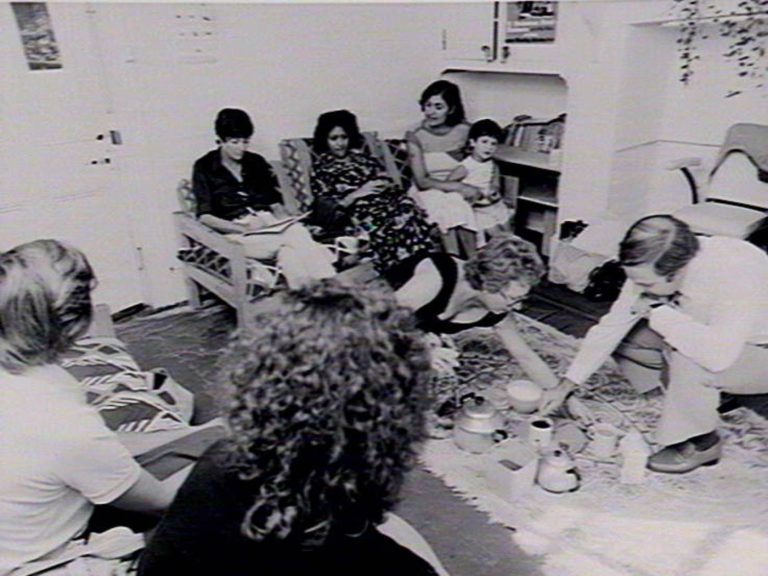
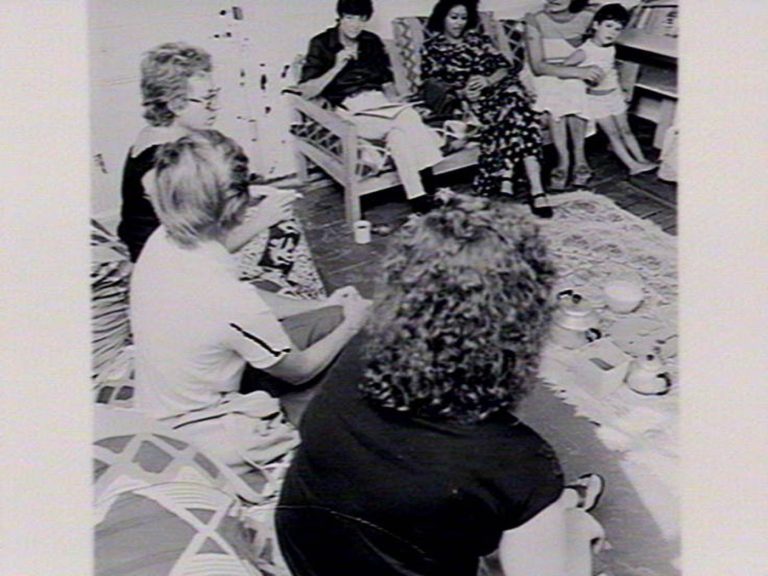
The refuge was deeply embedded in the broader women’s refuge movement. During the early years, residents were encouraged to participate in the running of the household, including weekly house meetings, reflecting the collective, community-driven model of refuge work at the time. In August 1980 one of the original objectives of the founders was achieved when a group of ex-resident workers took over the day-to-day running of the refuge.
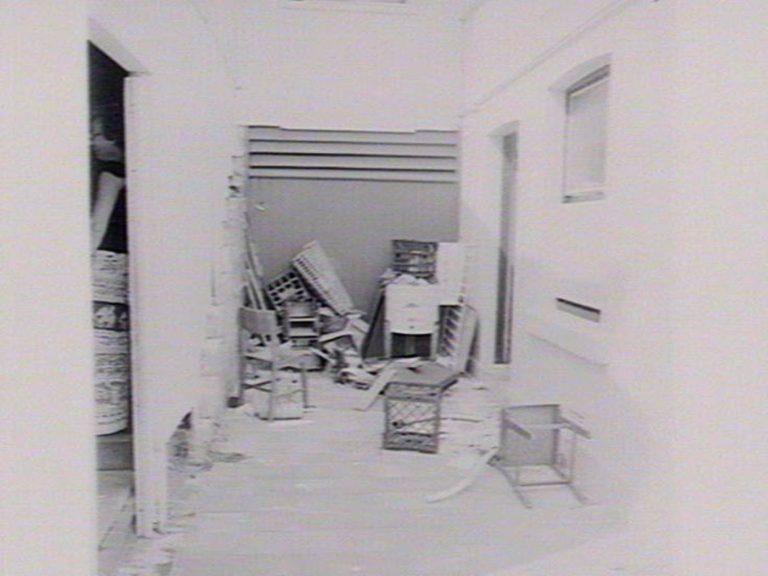
In 1995, the refuge temporarily closed for renovations and underwent a significant restructure to better meet emerging community needs. New policies were introduced, including targeted employment of Aboriginal and Torres Strait Islander staff and workers from non-English-speaking backgrounds. MWR officially reopened on 26 April 1995, with strengthened governance and practice frameworks, including the introduction of staff supervision, an outreach program, and crisis accommodation rooms to support families and individuals with higher needs. In 1996 the refuge hosted the NSW Women’s Refuge Movement Conference.
That same year, the refuge was deeply impacted by the murder of former resident Jean Lennon at Parramatta Family Law Court, a tragic event that underscored the very real dangers faced by women and children experiencing domestic violence.
The Middle Years
Jean's Place
1997–2014
On 16 December 1997, Marrickville Women’s Refuge began operating as Jean’s Place, in memory of Jean Lennon. Under this new identity, the service continued as a mainstream women’s refuge while expanding its professional reach and sector leadership.
In its first year as Jean’s Place, the refuge began taking on student placements, contributing to workforce development in the domestic violence sector. The service was regularly invited to present at Department of Community Services (later DCJ) Children and Families training, providing frontline insights to new caseworkers and strengthening system-wide responses to domestic violence. Funding during this period was delivered through the Supported Accommodation Assistance Program (SAAP). From the late 1990s through to 2014, Jean’s Place supported thousands of women and children. An on-call service was introduced in 1999, further enhancing accessibility and crisis response capacity.
Despite its strong outcomes and longstanding community role, Jean’s Place was required to re-tender for government funding in 2014 and was unsuccessful. As a result, staff were made redundant, and the refuge faced closure as a mainstream service. Although another organisation was initially awarded the tender, it declined when it became clear the building was not included.
Subsequently, FACS approached the organisation with an opportunity to continue operating if it shifted its focus to specifically support Aboriginal women and children — a pivotal moment that led to the creation of a new, culturally-specific service.
AWCCS in history
Where We Are Today
Aboriginal Women’s & Children’s Crisis Services
2014–Present
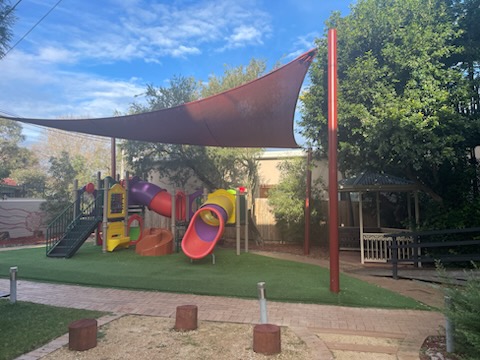
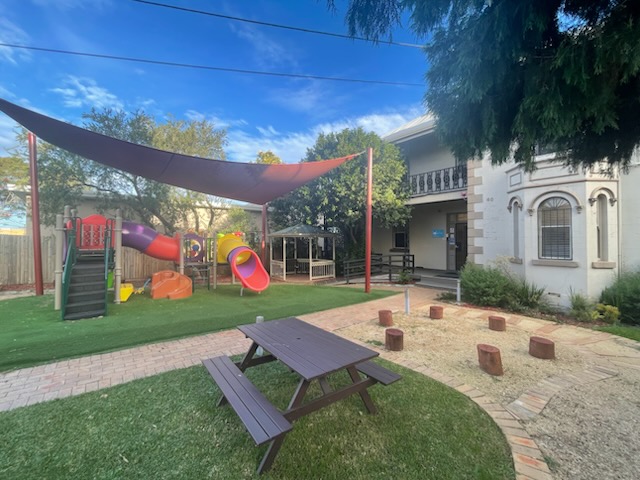
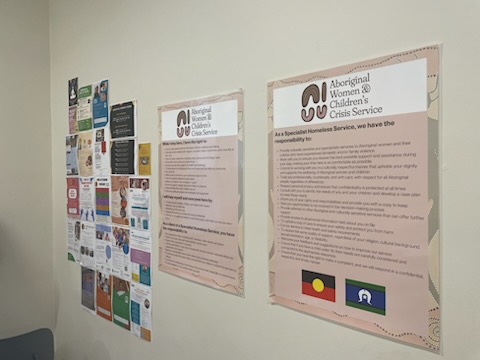
Aboriginal Women’s & Children’s Crisis Services (AWCCS) was established in 2014 in response to the critical need for culturally safe, Aboriginal-led support for women and children experiencing domestic and family violence. In 2015, AWCCS partnered with Bridge Housing to secure four transitional properties, a partnership that continues today and remains central to the organisation’s housing response.
Between 2014 and 2022, the service supported 387 families, reflecting both the scale of need and the trust placed in the service by Aboriginal communities. On 3 August 2017, the refuge building was officially renamed “Allira’s Place” in memory of Allira Green, a 23-year-old Aboriginal woman who was five months pregnant when she was murdered by her partner, ensuring her story remains central to the service’s purpose and advocacy.
In recent years, AWCCS has continued to grow and adapt in response to demand. Today, the organisation is shifting from a purely crisis-driven model toward healing-centred, long-term outcomes — focusing on sustainable tenancies, generational change, and strong partnerships with Aboriginal organisations to support safer futures for women and children.
Historical Resources
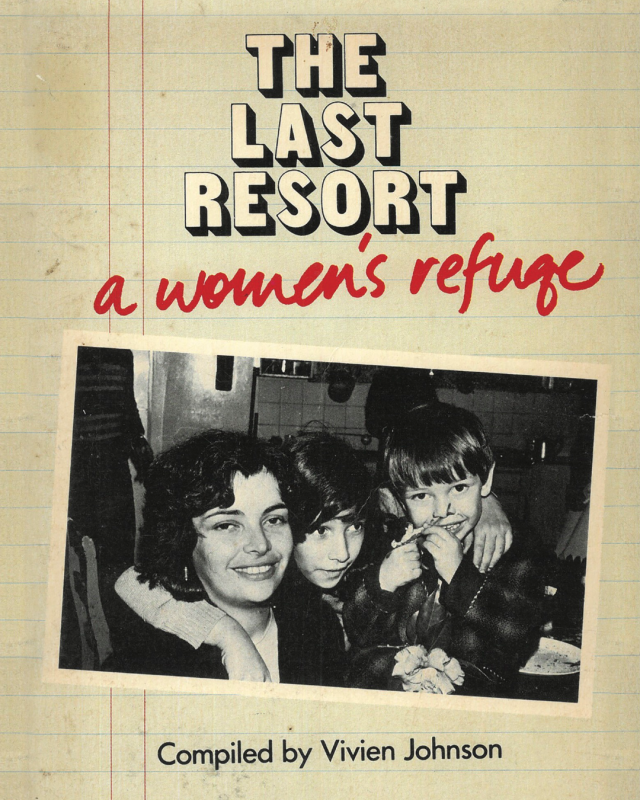
The Last Resort: A Women’s Refuge
First published by Penguin Books in 1981, The Last Resort: A Women’s Refuge was republished in 2026 to mark the 50th anniversary of Marrickville Women’s Refuge. Compiled by Vivien Johnson, the book offers a powerful firsthand account of one of Australia’s earliest women’s refuges. All proceeds from book sales support women and their children at Marrickville Women’s Refuge as they rebuild their lives. To order a copy, email [email protected]. The sale price is $A22.00 per copy, including GST and postage within Australia.
A Resource Booklet on Women’s Refuges & Women in Crisis: Evaluation of Women’s Refuges
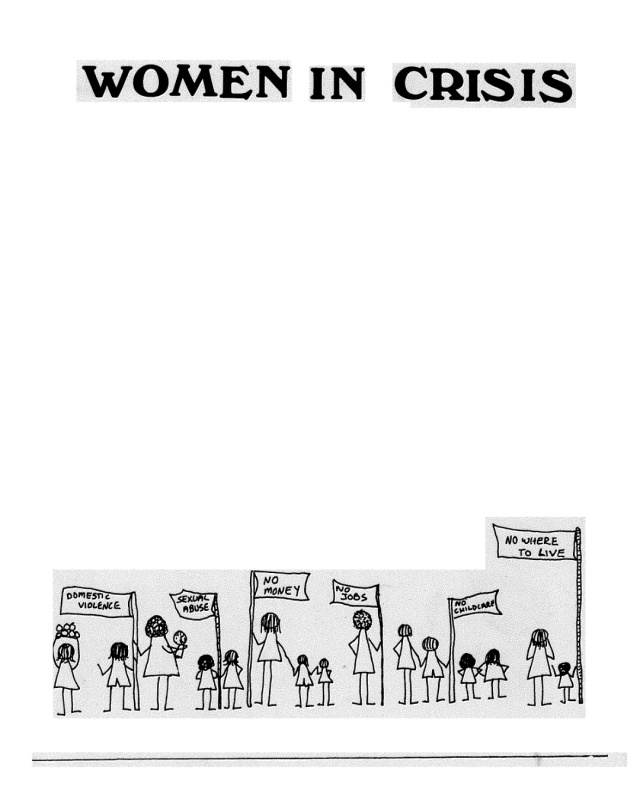
These two landmark publications were first produced in 1982 as part of the evaluation of the NSW women’s refuges. A Resource Booklet on Women’s Refuges documents the operation, diversity and principles of women’s refuges across New South Wales. Women in Crisis: Evaluation of Women’s Refuges was researched and written by Jo Watton and Kerrie Carr, examining the role, impact and future directions of women’s refuges in NSW. Both publications have been digitised in April 2026 to mark the 50th anniversary of Marrickville Women’s Refuge, preserving this important record of feminist advocacy, community action and the early women’s refuge movement in Australia.